
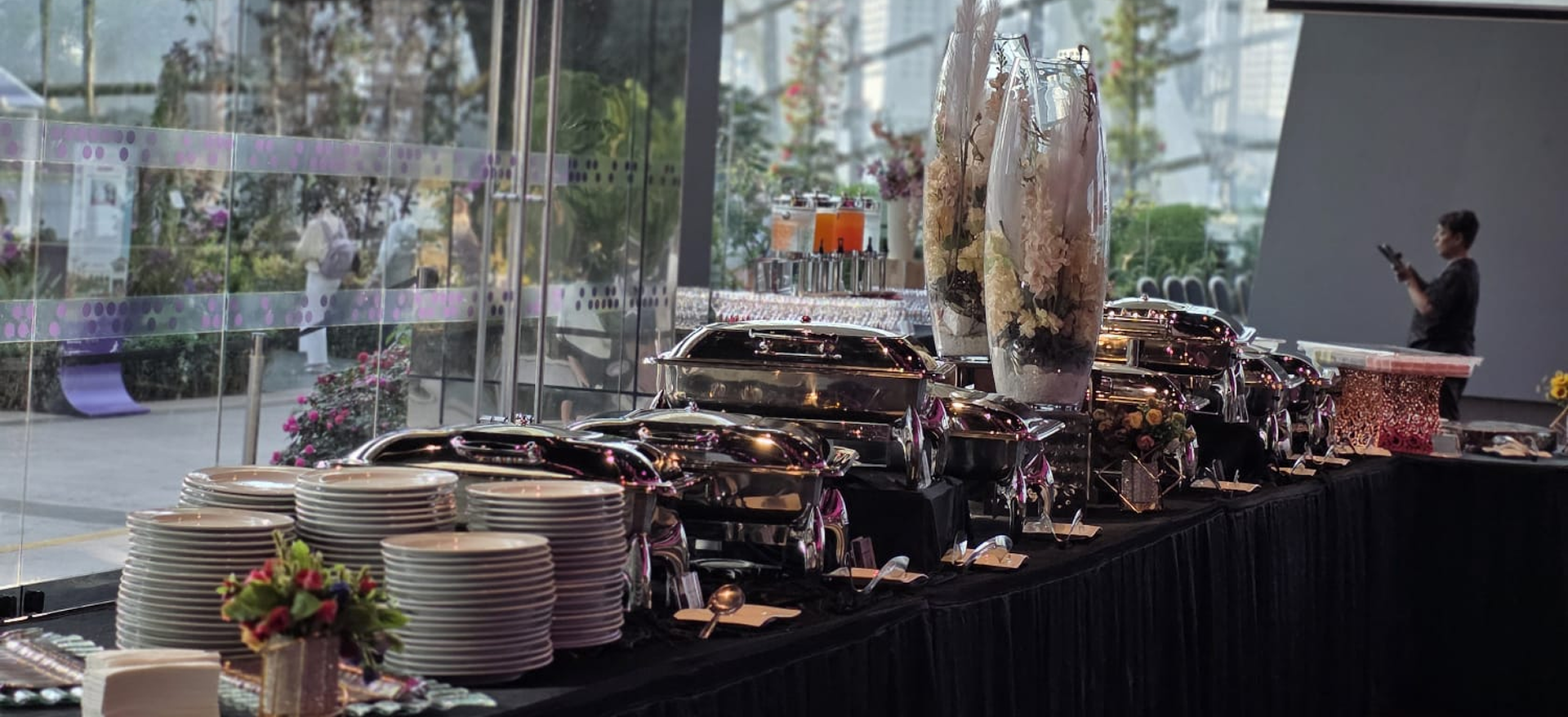
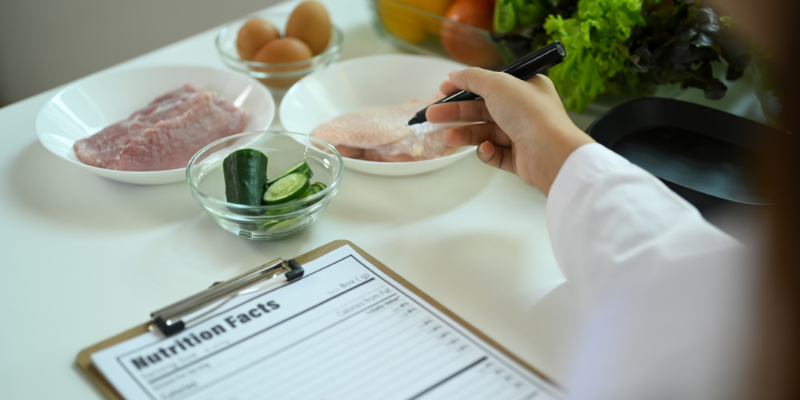
 Every Singapore government event brings a predictable challenge: a room full of guests with different dietary needs, procurement rules that demand certified vendors, and zero tolerance for getting it wrong. Whether you’re planning a ministry seminar for 80 people or a statutory board lunch for 300, the food has to work for everyone at the table.
This page covers what dietary requirements actually look like at Singapore government and public sector events, what to expect from compliant catering vendors, and how to plan a menu that leaves no guest behind.
Why Dietary Requirements Are Non-Negotiable at Government Events
Singapore’s public sector workforce reflects the country’s broader demographic makeup: multicultural, multi-faith, and increasingly health-conscious. That means halal, vegetarian, vegan, gluten-free, and allergen-aware requirements will all appear in almost any government guest list of meaningful size.
Halal certification from the Islamic Religious Council of Singapore (MUIS) is the baseline. For government ministries, statutory boards, and public sector institutions, serving food that lacks MUIS certification creates real exclusion risk. As one industry vendor notes, halal certification in Singapore’s multicultural workplace “isn’t optional — it’s expected.” Any catering vendor bidding for government event work should carry current MUIS certification as a minimum credential, not a selling point.
Beyond halal, vegetarian and vegan requirements are common at official lunches and seminars. Government procurement guidelines increasingly expect caterers to accommodate these dietary groups as a matter of course, not as a special request. Gluten-free and allergy-specific needs also appear regularly, particularly as awareness of coeliac disease and food allergies grows across the workforce.
Common Dietary Restrictions at Singapore Government Seminars
Understanding the full range of dietary considerations at ministry and statutory board events helps event planners specify requirements precisely when sourcing a catering vendor.

Halal: The most prevalent dietary requirement at Singapore government events. All meat and poultry must come from MUIS-certified sources, and kitchen preparation must comply with halal protocols throughout. Vendors operating a halal-certified kitchen handle this at the production level, removing the risk of cross-contamination.
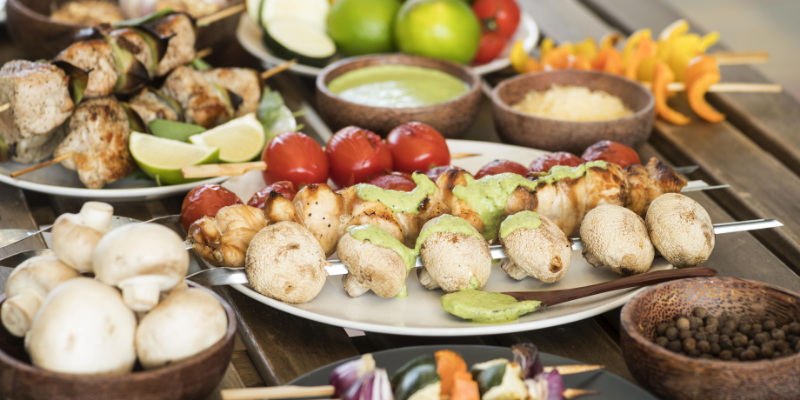
Vegetarian and vegan: Both are standard requests at Singapore seminars and official functions. Vegetarian options typically exclude meat and fish but may include dairy and eggs. Vegan menus exclude all animal products. Quality caterers embed these options across all menu tiers rather than treating them as afterthoughts. Practical examples include vegan burger patties, plant-based protein dishes, and fully vegetable-forward mains that work within a halal-certified kitchen.
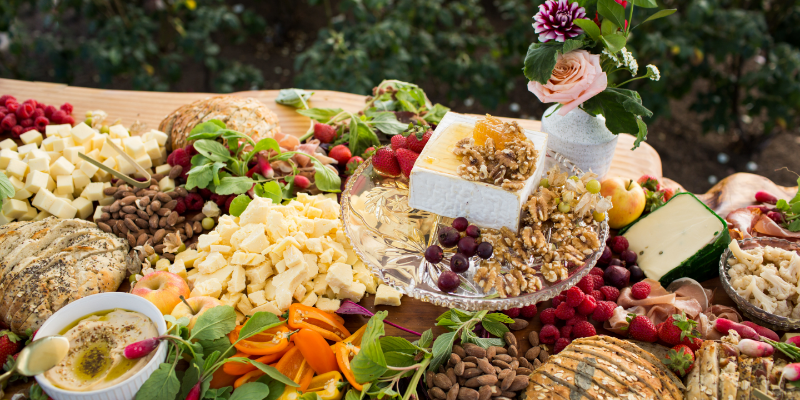
Gluten-free: Required by guests with coeliac disease or gluten intolerance. In a catering context, this means sourcing gluten-free ingredients and preventing cross-contact during preparation. Clear labelling at the buffet or serving point is as important as the ingredient choices themselves.
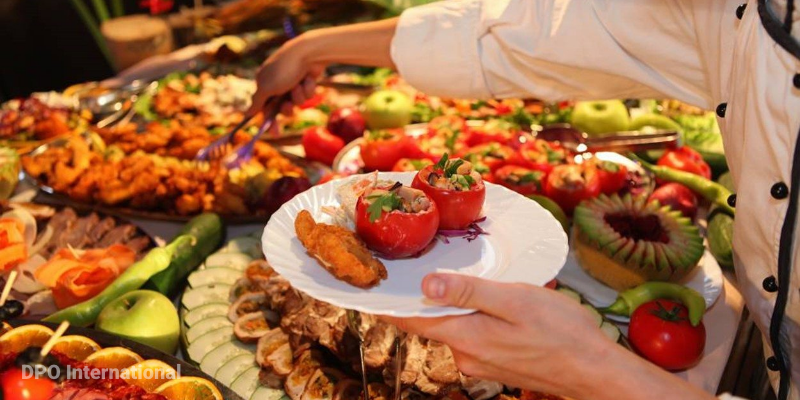
Allergen-aware: The nine major food allergens under Singapore’s food labelling framework (including peanuts, tree nuts, shellfish, eggs, and milk) can each affect guests at any event. Responsible catering vendors provide ingredient guidance and safe options for allergy-sensitive guests, with clear labelling so guests can make informed choices.
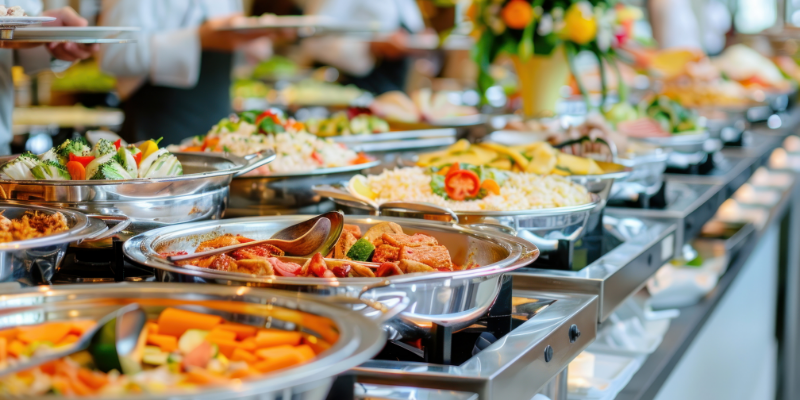
Low-sugar and health-conscious options: Singapore’s Health Promotion Board (HPB) operates a Healthier Caterer programme that recognises vendors meeting specific nutritional criteria. For government event planners prioritising healthy catering aligned with national wellness initiatives, HPB Healthier Caterer status is a useful procurement filter.
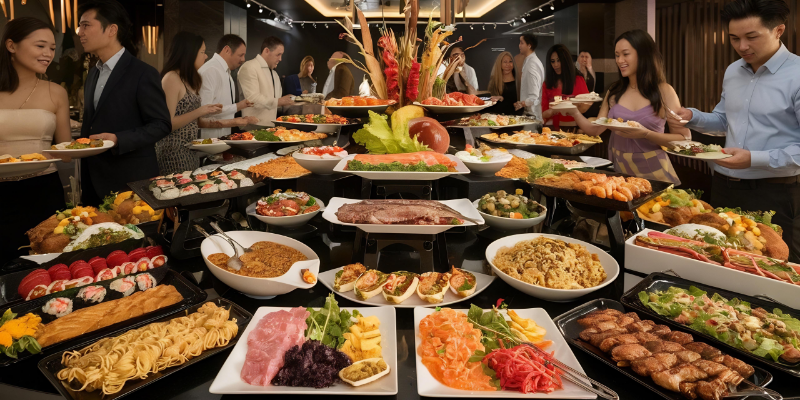
What Good Menu Customisation Looks Like for Ministry Events
Menu customisation for a government event goes beyond swapping one dish for another. It means building a menu architecture that works simultaneously for halal, vegetarian, gluten-free, and standard dietary groups, without requiring separate service lines or making any group feel like an afterthought.
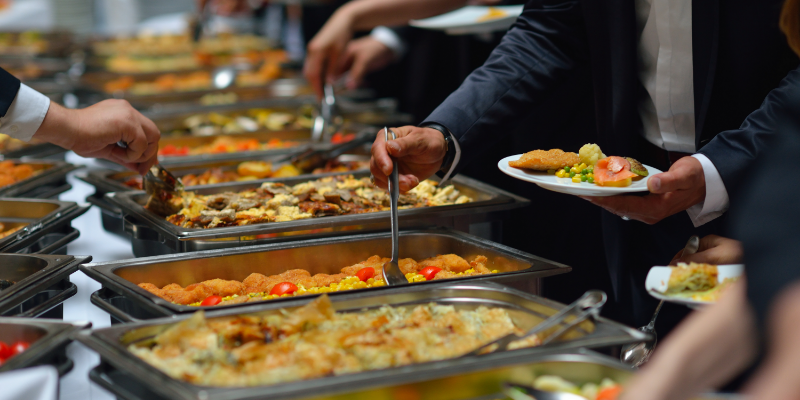
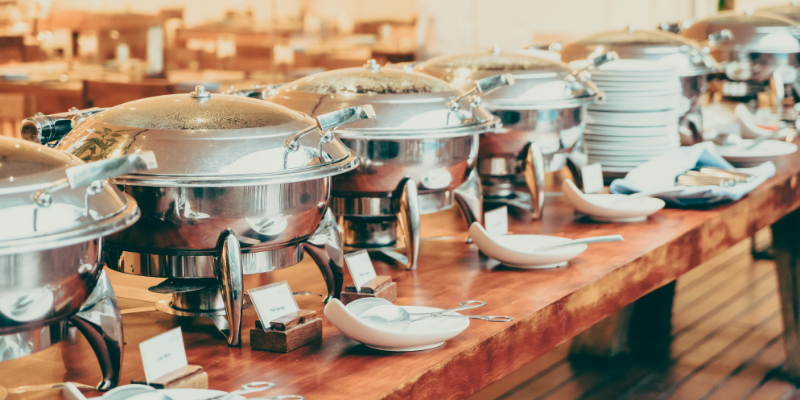
The most effective approach uses a buffet or station format with clearly labelled sections. Each dish carries a dietary marker (halal, vegetarian, vegan, gluten-free, contains nuts) so guests can navigate independently. A well-designed government seminar menu might include a halal-certified protein main, a vegetarian rice or noodle dish, a vegan salad or cold platter, and clearly labelled sides that cover multiple requirements at once.
Live cooking stations add another layer of flexibility. A noodle station or grain bowl concept, for example, lets guests choose their base, protein, and toppings, making dietary self-selection natural and dignified. For ministry receptions and tea sessions, customisable pre-packed meals allow guests with specific requirements to receive individually labelled portions, which is particularly useful for smaller working lunches or VIP functions.
For government event planners sourcing vendors through procurement frameworks, the practical questions to ask include:
- Does the vendor hold current MUIS halal certification?
- Can vegetarian and vegan options be confirmed in writing as part of the catering proposal?
- How are allergens labelled at service points?
- Does the vendor carry HPB Healthier Caterer status?
- What is the process for communicating dietary requirements, and what is the cutoff date for changes?
Dietary Considerations for Seminar and Official Lunch Formats
The catering format shapes how well dietary requirements can be managed in practice. Different government event types call for different approaches.
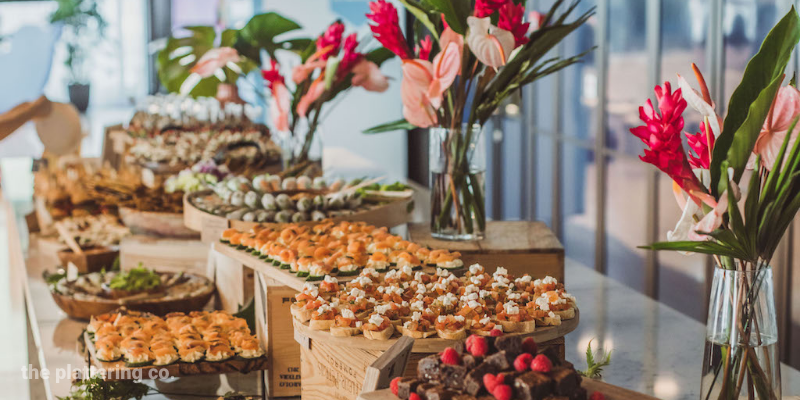
Half-day and full-day seminars typically use a buffet format with a tea break and a main meal service. A well-planned seminar menu covers halal, vegetarian, and gluten-free groups within the same buffet spread, using clear labels and sufficient variety to ensure no dietary group is left with only one option. Vendors experienced with Singapore government seminars will typically have a standard dietary breakdown built into their seminar packages that event planners can review and adjust.
Official lunches and ministry receptions often carry higher protocol expectations. Customisable pre-packed meals or plated individual servings work well here, as they allow each guest’s dietary needs to be confirmed in advance and prepared accordingly. For mixed groups of 50 to 300 guests, a combination format (buffet plus individually labelled items for high-need requirements) gives planners coverage across the full dietary spectrum.
Large institutional events, such as public sector townhalls or statutory board functions, require caterers capable of managing scale without sacrificing dietary compliance. Vendors with demonstrated experience at 200-plus pax events, across diverse dietary groups, reduce the operational risk for procurement teams.
How to Submit and Manage Dietary Requirements Effectively
Collecting and communicating dietary requirements is a process problem as much as a catering problem. The earlier requirements are gathered, the more options the caterer has.
Most Singapore catering vendors recommend submitting a final dietary breakdown at least five working days before the event, with an initial estimate provided two weeks out for larger bookings. For government events with formal procurement lead times, dietary requirements should be included in the briefing document shared with shortlisted vendors, not added as an afterthought after contract award.
When collecting dietary information from attendees, ask specifically for:
- Halal or non-halal preference
- Vegetarian or vegan
- Specific allergens (not just “allergies” — prompt for the specific ingredient)
- Gluten-free
- Any other medically required dietary restriction
A good catering vendor will confirm how each requirement will be addressed in the final menu, not just acknowledge receipt. Ask for this confirmation in writing as part of your pre-event checklist.
What to Look for in a Government-Event Catering Vendor
Not every vendor that offers halal or vegetarian options has genuine experience with government procurement requirements and ministry-level expectations. When vetting vendors, look beyond credentials to operational track record.
Indicators of a government-ready catering vendor include: active MUIS halal certification (verify the current status, not a historical claim), documented experience with named government ministries or statutory boards, HACCP compliance for food safety, and a structured onboarding process that includes a dedicated dietary requirements consultation before the menu is finalised.
Vendors with experience at institutional events, including those run by Singapore Armed Forces clubs, Neighbourhood Police Centres, and similar bodies, typically understand the operational discipline that government event planners require. A vendor capable of managing 700 crew members across a multi-day event, while maintaining halal compliance and dietary variety, is likely better equipped for a ministry seminar than one whose government experience is theoretical.
Plan Your Government Event Menu Around Your Guests’ Needs
The right catering vendor for a Singapore government event is one that treats dietary requirements as a starting point, not a constraint. A menu built around your guest list’s actual needs, with proper certification, clear labelling, and a responsive pre-event consultation process, removes one of the most consistent sources of stress in public sector event planning.
If you’re planning a ministry seminar, official lunch, or statutory board function and need a catering partner who can confirm halal, vegetarian, vegan, gluten-free, and allergen-aware options in writing, request a customised menu proposal with full dietary specifications. Bring your guest count, your event date, and your dietary breakdown. A capable vendor will handle the rest.